Rosti
Shaping Sustainable Solutions for Tomorrow

Rosti is committed to shaping sustainable solutions throughout the value chain. Design and redesign are powerful levers for change, and we use them to reduce environmental impact while keeping products commercially viable.
We work closely with our customers to lower emissions and develop circular, sustainable solutions backed by clear guidance and expert advice. Sustainability isn’t an add‑on – it’s built into the way we design, engineer, and manufacture.
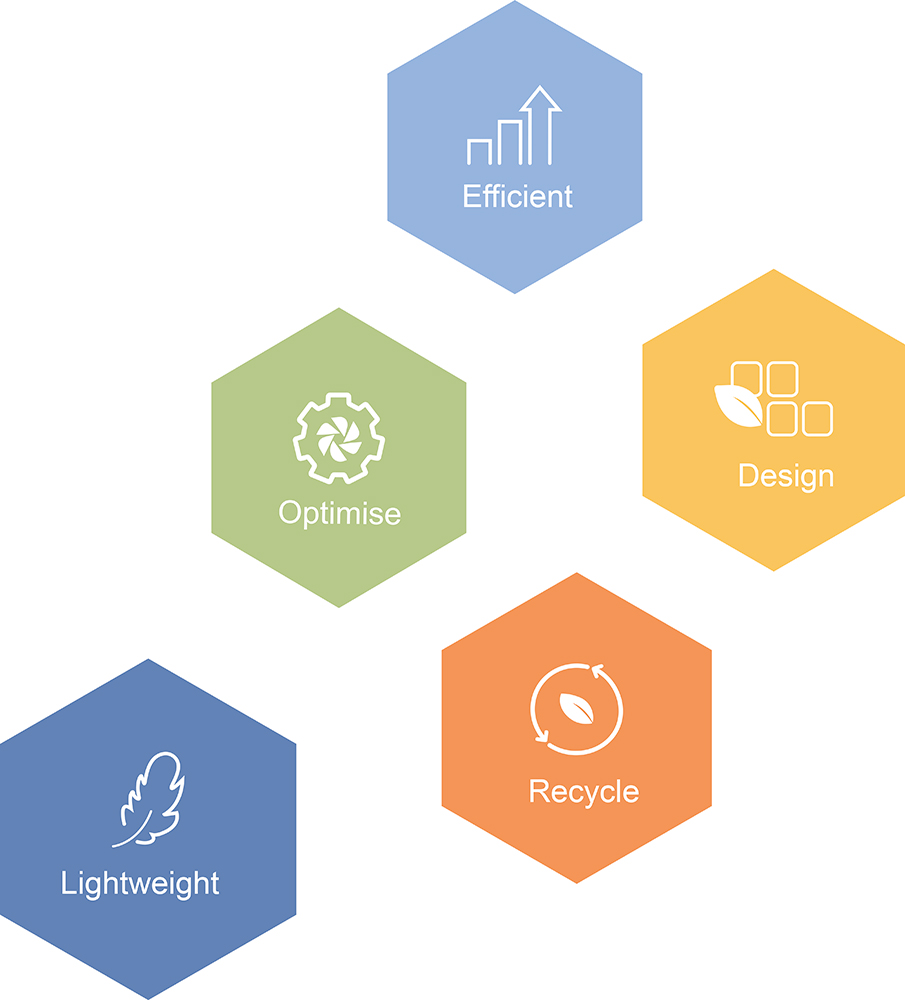
By combining customer collaboration with our material knowledge and design expertise, we help enhance your sustainability performance by optimizing designs with lightweighting and responsible material choices, while encouraging circular design principles. The design and redesign phases play a crucial role in sustainability. We provide global high-precision molding and contract manufacturing
services that bring your concepts to life.
Let’s challenge your design – together.
Our 2030 Commitments
We have aligned our ambitions with the circular economy and the United Nations Sustainable Development Goals. Clear metrics help every site and every colleague contribute to meaningful change and measure progress over time.
50% Reduction in emissions
We are committed to reducing emissions
within our control and empowering
customer choices through sustainable
materials and designs
100% Recyclable design option
Challenge all designs to become more
sustainable
100% Clean energy
Always use clean energy at all our sites
Zero Waste to Landfill
Leave no trace of waste
100% Green Material Option
Always offer alternatives made from
recycled or renewable materials
25% Energy Efficiency Improvement
Do more with less energy, targeting a
50% improvement by 2040
Design Powered by Innovation
At Rosti, sustainability is embedded in every stage of manufacturing, from material selection and product design to waste management and energy sourcing. Our design for manufacturing approach allows us to influence the entire value chain, from raw materials to finished goods and end of life.
Sustainability isn’t just a side initiative for us. It’s a core pillar of our business strategy that guides our decisions, our partners, and the technologies we invest in. By working closely with customers and suppliers, we help unlock the full potential of sustainable manufacturing.
Together, we’re not just creating better products—we’re helping to drive a more responsible plastics industry and a more sustainable future.

Rosti and the Circular Economy
Rosti is committed to supporting the need to
improve the environment for future generations.
Across our industry, we see a clear shift from a linear economy to a circular one, where material choice and end of life are critical. At Rosti, new products are analyzed at the concept stage so they fit better within a circular model.
We evaluate material selection, tooling strategies, production technologies, and each product’s potential for repair, reuse, and recycling.
Our teams work closely with advanced material developers, machine producers, and our customers to reduce environmental impact and support communities and the wider planet. These efforts are rooted in our values of partnership and integrity, and are backed by practical actions, not just ambitions.
Reduce, Reuse, Recycle, Recover, Replace, Respect
We structure our circular economy work around three focus areas:

Reduce and reuse
- Operating an internal energy management program
- Creating lightweight solutions that use less material
- Improving packaging to minimize waste
Recycle and Recover
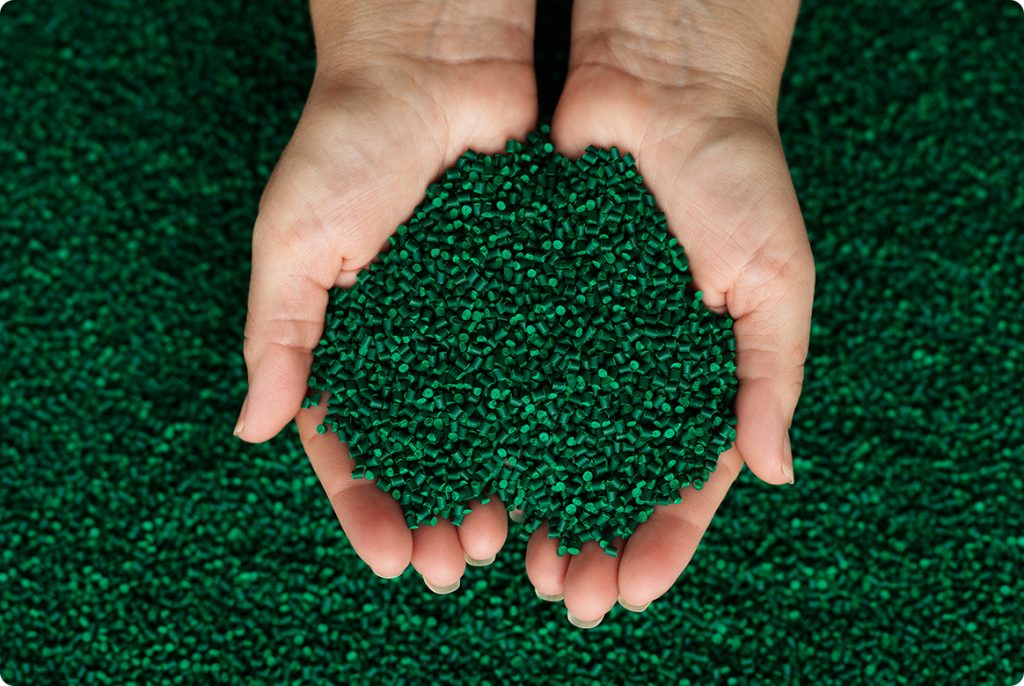
- Using recycled feedstock where technically and commercially viable
- Reprocessing internal scrap into new products
- Designing repairable products with extended life cycles

Replace and Respect
- Using bio-based feedstock materials where appropriate
- Eliminating unnecessary processes
- Converting metal components to plastics when this reduces weight and environmental impact
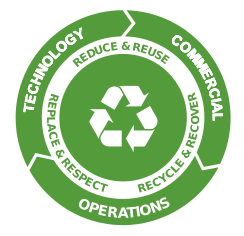
Rosti Sustainability Vision
“To be the preferred partner to bring Sustainability
from concept to reality by innovating
circular sustainable solutions”
Read our Rosti Sustainability Framework Document or
Rosti Sustainability Report 2024 to find out more.
— Framework Document
— Sustainability Report 2024
Making a Difference Throughout the Value Chain
We aim to make a meaningful difference at every stage of the value chain by acting as a trusted advisor. Even small design changes can deliver significant environmental benefits, so we proactively suggest next steps that improve sustainability performance without compromising quality or cost.
By combining engineering expertise, manufacturing experience, and a strong focus on sustainability, we help customers turn responsible ideas into real, manufacturable products.
On-Site Strategy Examples:
Rosti Europe
Our sites across Rosti Europe are dedicated to developing unique and innovative sustainability initiatives, and we are committed to maintaining high environmental standards.
Examples include:
- Supporting our customers with emission reduction – providing Product Carbon Footprint (PCF) calculation tools and guidance to help lower emissions.
- Recycling production waste – reusing materials and working to minimize waste at every stage of production.
- Designing for recyclability – partnering with customers to reduce plastic content and improve the recyclability of products.
- Sustainable materials alternatives – We have helped customers from 10 sectors switch materials in their products to greener alternatives.
- Sustainable packaging – enabling the transition to reusable and returnable packaging solutions.
- Using renewable energy sources – we are steadily moving toward 100% clean energy.
- Self-generated renewable power – investing in systems that allow for on-site generation of energy from renewable sources.
- Modernizing our machinery park – upgrading equipment to improve energy efficiency and reduce heat losses.
- Energy recovery – capturing heat generated by machines as a secondary source of energy.
- Reducing energy losses – optimizing production processes, compressed air systems, ventilation, and installation insulation.
- Smart energy management – implementing automated controls, sensors, and smart lighting systems to cut down on unnecessary energy use.
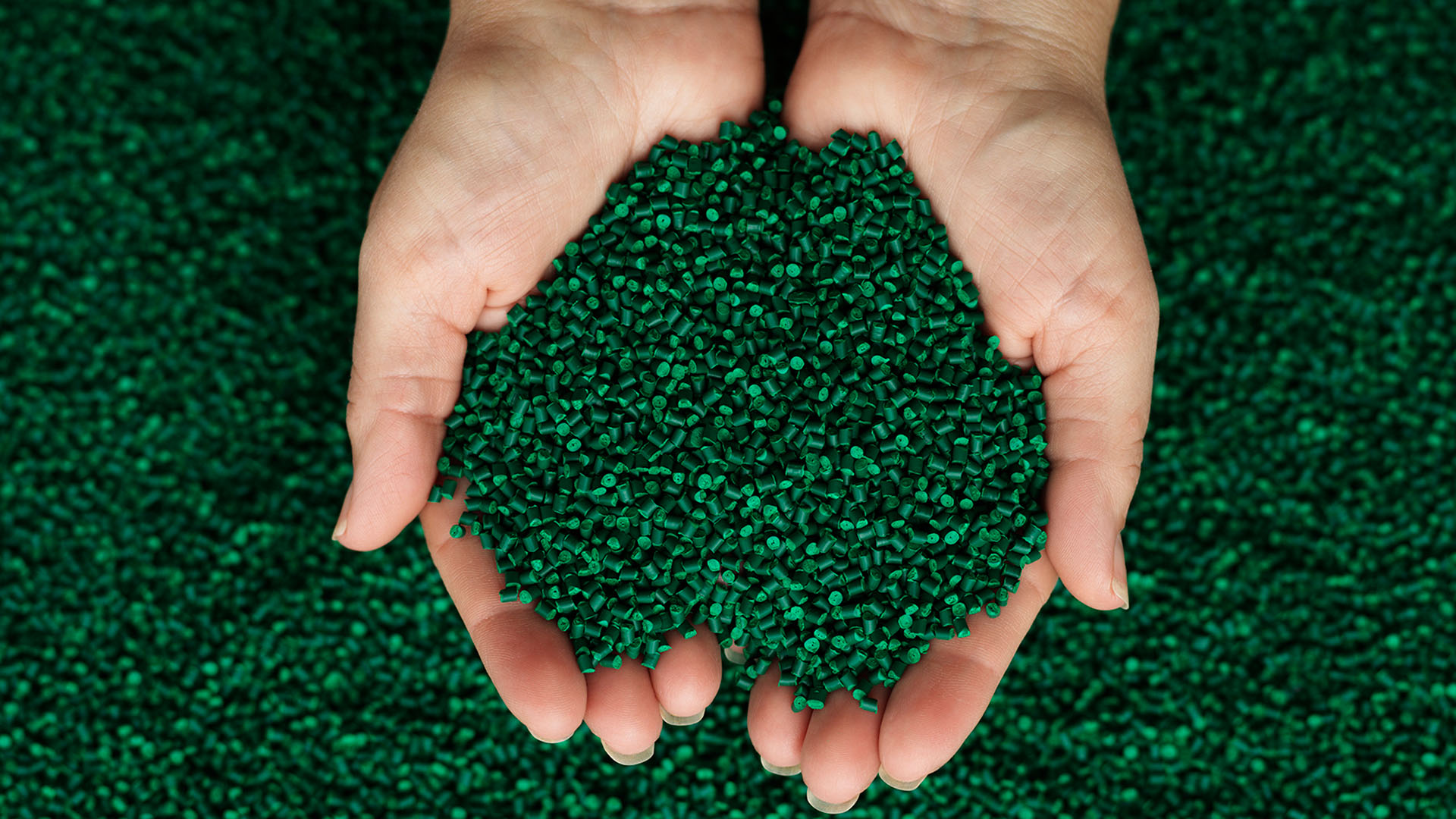
Always Offer
a Green Material Option
Rosti Asia
Rosti China and Rosti Malaysia are taking significant steps to minimize their environmental impact by prioritizing their own sustainability initiatives.
Examples include:
- Supporting our customers with emission reduction – applying green materials in production and providing Product Carbon Footprint (PCF) calculation tools and guidance to help lower emissions.
- Waste reduction projects – Improving the waste recycling rate through efforts both internally and externally to promote a circular approach to material use.
- Increasing the share of clean energy – continuously expanding the use of energy from renewable sources.
- Reducing energy losses – improving production efficiency through better process control, optimized machinery settings, and more thorough leak inspections.
- Smart energy management – implementing controls, sensors, and systems that automatically reduce unnecessary energy use.
- Intelligent lighting solutions – introducing lighting systems that adjust to working conditions and reduce energy consumption.
- Machinery modernization – upgrading production equipment to improve efficiency and lower environmental impact.
- Recycling production waste – reprocessing manufacturing by-products and promoting a circular approach to materials.
Rosti North America
Recently acquired, Rosti US has joined the Rosti group and begun our sustainability journey, aligned with the Rosti agenda.
Examples include:
- Transition to lower emission solutions – We’ve enabled customers to transition from metal to plastic solutions in the construction industry.
- Sustainable packaging – promoting reusable and returnable packaging solutions.
- Protecting water resources – implementing Operation Clean Sweep initiatives to prevent the release of plastic particles and other contaminants into the environment.
- Investing in clean energy – beginning our transition toward renewable energy sources to reduce carbon emissions.
- Reducing energy losses – improving production efficiency through better process control, optimized equipment settings, and enhanced insulation.
- Enhancing waste recycling – exploring new solutions to increase the share of recycled materials within our operations.